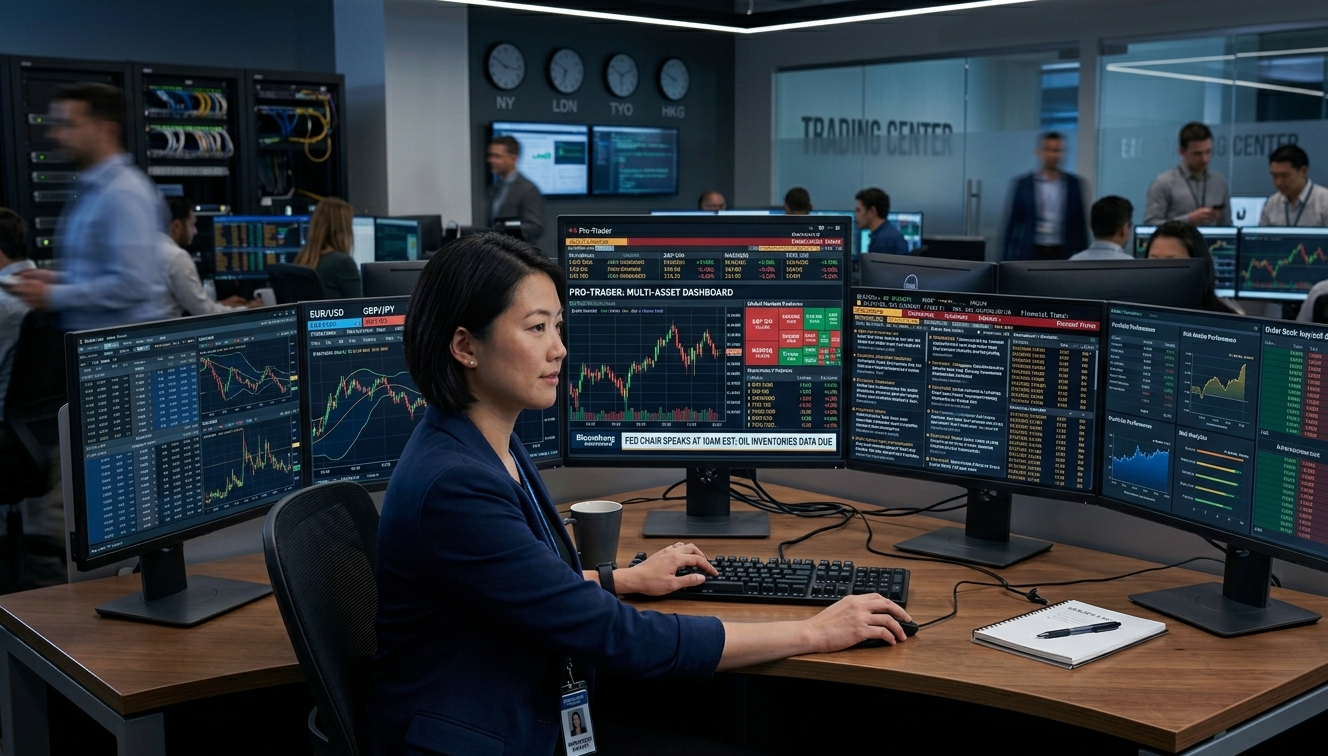
The modern investor is no longer short of information — in fact, the real challenge today is managing too much of it. With thousands of data points, constant market updates, and endless news cycles, the key question has shifted from “Where do I find data?” to “How do I use it effectively?”
This is where integrated trading ecosystems like 同花顺 are becoming increasingly relevant, especially for those looking for a structured way to navigate global financial markets with advanced data analysis tools.
The Problem with Fragmented Financial Tools
Traditionally, investors relied on multiple platforms:
- One for stock prices
- Another for financial reports
- A separate source for news
- Additional tools for technical analysis
This fragmented workflow often led to inefficiencies, delays, and missed opportunities. More importantly, it created gaps between data and action — a critical issue in fast-moving markets.
The Emergence of All-in-One Market Intelligence Platforms
A new generation of platforms is addressing this challenge by combining multiple layers of functionality into a single interface. This includes:
- Real-time global stock market data across regions
- Integrated financial analysis dashboards
- Built-in research and screening tools
- Direct trading execution capabilities
The result is a more seamless experience where users can move from analysis to action without switching environments.
Why Real-Time Data Synchronization Matters
Speed is not just an advantage — it’s a necessity.
In volatile markets, even small delays can impact outcomes. Modern platforms now synchronize:
- Live price movements
- Order execution systems
- Portfolio tracking
- News and macroeconomic updates
This synchronization ensures that investors are always working with the most current information, reducing the risk of outdated decisions.
Moving Beyond Manual Monitoring
Constantly watching the market is neither practical nor efficient. Investors are increasingly relying on systems that monitor conditions on their behalf.
Key developments include:
- Automated condition-based alerts
- Predefined trading rules triggered by market changes
- Dynamic monitoring of technical indicators
These features allow users to stay engaged without being overwhelmed, making trading more manageable alongside daily routines.
Portfolio-Level Thinking Instead of Single-Stock Focus
Another shift in investor behavior is the move from focusing on individual stocks to managing portfolios as cohesive units.
Modern tools now support:
- Multi-asset order placement
- Unified portfolio tracking
- Strategy-based position adjustments
This approach aligns more closely with how institutional investors operate, emphasizing diversification and risk management over isolated trades.
Execution Strategies for Large and Complex Trades
Retail investors now have access to execution techniques that were once limited to professionals.
These include:
- Time-weighted average price (TWAP) strategies
- Volume-weighted average price (VWAP) execution
- Batch order processing
Such methods help minimize market impact and improve execution efficiency, especially when dealing with larger positions.
User Experience as a Competitive Factor
Beyond functionality, usability has become a key differentiator.
Platforms are increasingly offering:
- Customizable interfaces
- Multi-window layouts for parallel monitoring
- Cross-device compatibility (desktop and mobile)
This flexibility ensures that users can tailor their environment based on their trading style and preferences.
The Role of Structured Data in Smarter Investing
Perhaps the most important evolution is not just the availability of data, but how it is organized.
Instead of presenting raw numbers, modern systems provide:
- Categorized financial metrics
- Interpreted market signals
- Consolidated views of complex datasets
This structured approach helps reduce cognitive overload and enables clearer decision-making.
Looking Ahead
As financial markets continue to grow in complexity, the tools used to navigate them must evolve accordingly.
Platforms that combine:
- Comprehensive global market coverage
- Advanced stock analysis and research capabilities
- Intelligent monitoring and execution systems
are shaping the future of investing.
For today’s investors, success is no longer just about accessing information — it’s about using the right systems to filter, interpret, and act on it effectively.
