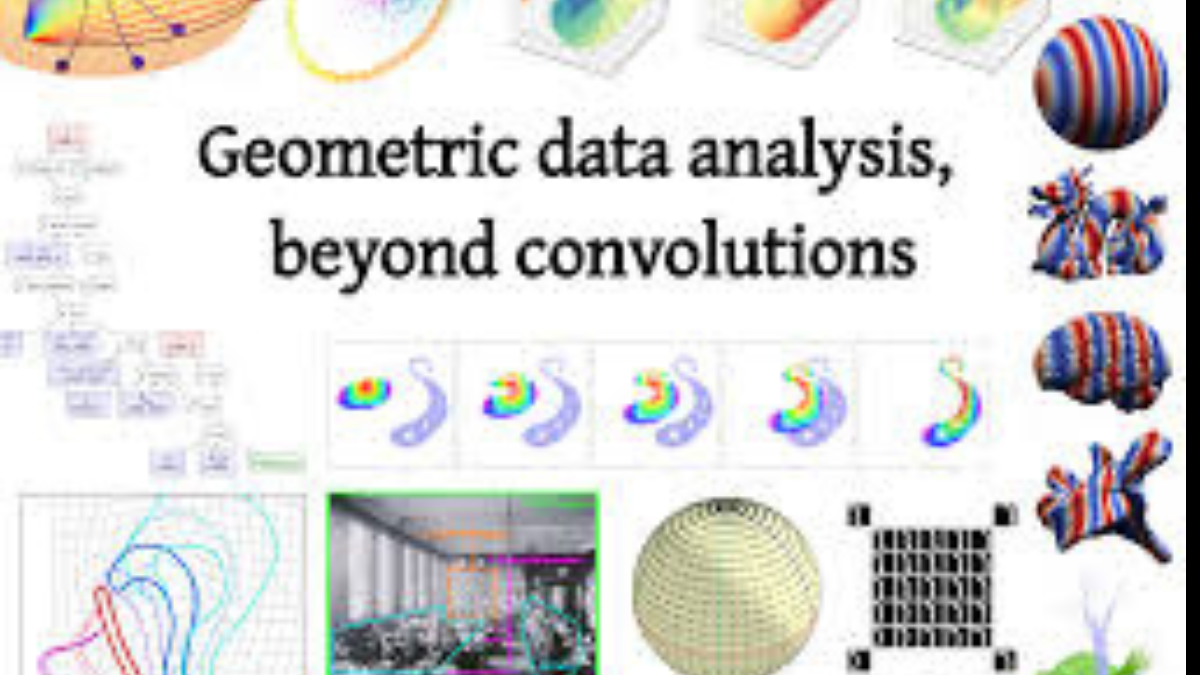
Geometric Informatics is a field that integrates geometric modeling, computer vision, and data science to create sophisticated systems for analyzing, visualizing, and processing spatial data. With applications in a wide range of areas, including medical imaging, virtual reality, computer graphics, and autonomous vehicles, geometric informatics has become a cornerstone for handling and interpreting complex data structures.
What is Geometric Informatics?
Geometric Informatics refers to the use of mathematical models and algorithms to interpret, analyze, and manipulate spatial data. It draws from multiple disciplines, including:
- Geometry: For representing shapes, surfaces, and spatial relationships.
- Informatics: For data management and computational techniques.
- Computer Vision: For interpreting visual information from the world.
In essence, geometric informatics aims to understand and recreate three-dimensional data using computational methods, allowing computers to process, interpret, and utilize spatial information effectively.
Key Components of Geometric Informatics
- 3D Modeling and Reconstruction: Geometric informatics involves creating accurate 3D representations from real-world data. Techniques like laser scanning, photogrammetry, and depth sensing are used to capture the geometry of objects and environments, which can then be reconstructed into detailed 3D models.
- Shape Analysis and Processing: Understanding the structure and properties of shapes is crucial in geometric informatics. Shape analysis includes identifying features, such as curves, edges, and symmetry, and processing this data to recognize objects or classify features in different contexts.
- Spatial Data Representation: The field also focuses on how spatial data is represented in a computational format. For example, point clouds, mesh models, and volumetric data are some representations used to describe the geometry of objects and spaces.
- Visualization and Simulation: Once spatial data is captured and processed, it is essential to visualize it meaningfully. Geometric informatics helps create realistic and interactive simulations, whether for medical imaging, virtual reality experiences, or robotics navigation.
- Machine Learning and Pattern Recognition: Machine learning algorithms are often integrated with geometric informatics to identify patterns and classify shapes. This enables applications such as facial recognition, medical image analysis, and object tracking.
Applications of Geometric Informatics
The applications of geometric informatics are vast and continually expanding. Some key fields where this technology has a profound impact include:
- Medical Imaging: Geometric informatics is transforming diagnostics and treatment planning by providing detailed 3D models of anatomical structures, assisting in surgeries, and improving diagnostic accuracy.
- Autonomous Vehicles: Autonomous systems rely on geometric informatics for real-time environmental mapping and obstacle detection, which are critical for safe and efficient navigation.
- Virtual and Augmented Reality: Creating immersive environments in VR and AR requires accurate 3D reconstructions and spatial data analysis, which are core strengths of geometric informatics.
- Manufacturing and Robotics: In manufacturing, this field aids in quality control, robot path planning, and assembly line automation, ensuring precision and efficiency in complex processes.
- Cultural Heritage Preservation: 3D modeling and geometric data processing play a significant role in digitally preserving historical artifacts and sites, enabling virtual access to cultural heritage worldwide.
The Future of Geometric Informatics
As technology advances, the future of geometric informatics looks promising. Developments in AI and machine learning continue to push boundaries, enabling even more sophisticated applications. As autonomous vehicles and robots become increasingly integrated into daily life, geometric informatics will be essential for safe and effective navigation and interaction. Furthermore, the integration of quantum computing and edge computing in the field promises to process and interpret massive amounts of spatial data more efficiently.
In conclusion, geometric informatics is at the forefront of creating solutions that bridge the physical and digital worlds. By enabling computers to understand and manipulate spatial data, this field is unlocking new possibilities across various sectors, making it a key player in the technological advancements of tomorrow.
