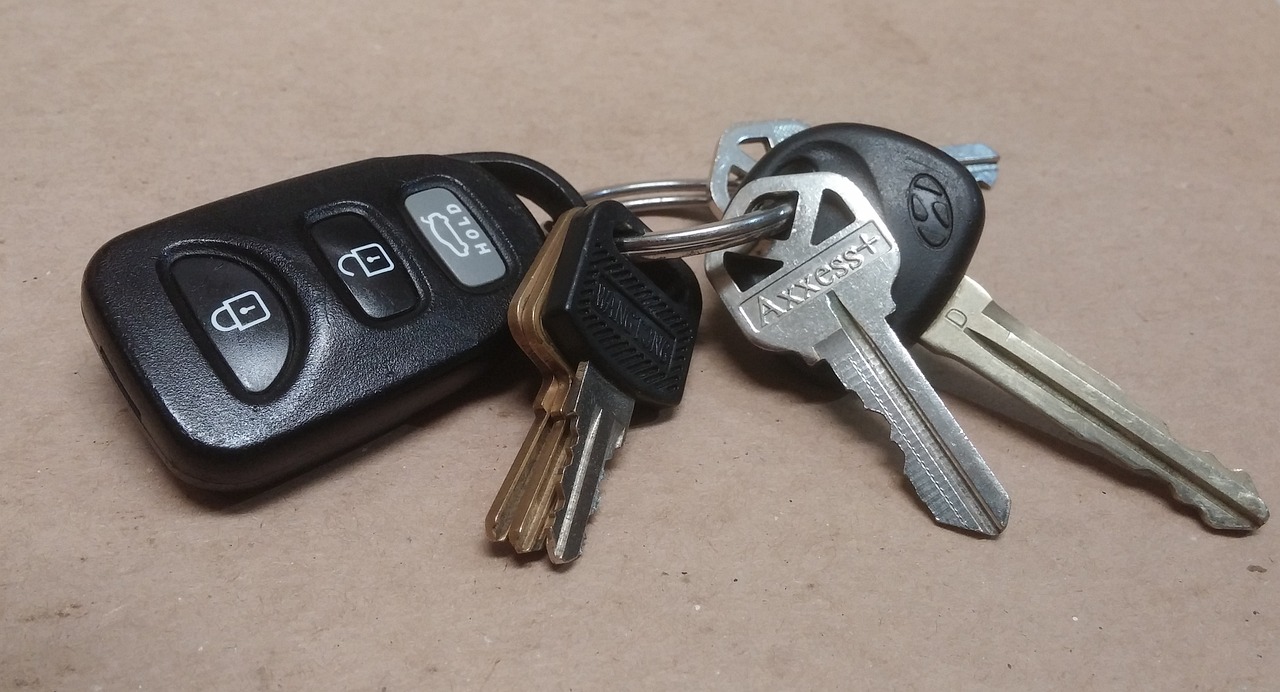
Key fobs have become a necessary tool in our daily life. These small gadgets have made many of our daily tasks easier, from starting our cars to unlocking our homes.
Have you ever thought about how key fobs work, though? Understanding the technology behind these tools can actually guide your investment in one.
These little devices are designed to keep your possessions safe and make getting into your car or building fairly easy. Let’s investigate how they operate and find out why they have grown so popular.
What Exactly Is a Key Fob?
Usually referred to simply as a fob, this is a compact hand-held device that uses either close communication or radio frequency identification to interact with another system, such as your car, house, or business.
Key fobs were first meant to unlock car doors. However, they have developed into sophisticated devices with multiple purposes. This includes starting your car to opening doors with a mere wave.
It is typically a small, flat plastic or metal piece that easily fits on your keyring. Inside it is a small microprocessor and an antenna that work together to send signals to the system you’re trying to operate.
These signals are usually encrypted, adding an extra layer of security to your systems.
Modern key fobs have become essential not only for cars, but also for smart locks, security systems, and secure access to offices.
The Evolution of Key Fobs
Their manufacturing started in the 1980s when automakers adopted them as a handy approach to lock and unlock doors without needing a physical key. This changed the manufacturing process, providing both convenience and added security.
Since then, key fob technology has evolved significantly.
Like a television remote, early fobs relied on simple infrared transmissions and needed to be in direct line of sight to the automobile. More complex radio frequencies quickly superseded this technology, allowing the fob to operate from larger angles and distances.
Manufacturers started including engine start, panic, and trunk release buttons as key fobs evolved with time. These extra features turned fobs from a key replacement into a multi-purpose tool. Smart fobs have evolved recently to include connecting with smartphone apps, thereby improving user experience.
Some even use biometric security, like fingerprint recognition, to guarantee that only the car or property’s owner has access.
How Do Key Fobs Work?
The basic function of it is establishing communication with the receiver it controls, typically via the RFID or NFC technology.
Pressing a button on your key fob generates a radio signal that carries a particular code. Recognising this code, the receiver in your car, door lock, or security system picks up the code and does as asked, which is unlocking a door or starting the engine.
When using the RFID technology, the key fob serves as the code transmitter. The receiver in the car or door has a reader built in to pick up the signal.
The codes sent by the key fob are encrypted and change with every use, therefore preventing hackers from replicating the signal and intercepting this process.
Conversely, NFC is similar to RFID but operates in a very limited range, usually just a few centimetres. This makes it ideal for contactless payments or unlocking doors using fobs where close proximity is needed.
Popular in contemporary security systems, NFC key fobs provide a safe and practical approach to managing access without touching a keypad or swiping a card.
Security Features of Key Fobs
Many people utilise them due to their improved security features.
These tools use encrypted communication to keep your possessions safe, unlike conventional keys, which can be easily copied.
Sometimes referred to as rolling code or hopping code, this method guarantees that should someone intercept the signal, they cannot use it again.
The fact that most key fobs run on a unique frequency and code particular to every device adds another level of protection.
Manufacturers program each fob to match only one receiver–hence, you shouldn’t get another one as it’ll be useless in controlling your automobile or door lock.
Some sophisticated key fobs also include two-factor authentication systems that require a separate device or biometric input, such as a fingerprint scan, to confirm the user’s identification.
Common Uses of Key Fobs
Most often paired with cars, key fobs lock, unlock, and start the car remotely, but their applications go much beyond the automotive scene.
Smart locks that come with key fobs provide a safe approach to managing access in houses without using conventional keys.
Your fob will unlock the door when you wave it close to it, giving you an extra layer of security and convenience.
If you’ve recently acquired a smart lock and fob pair and are not sure how to install it, consider contacting an expert locksmith to do this job for you.
Additionally, key fobs are common access control devices in commercial environments, as they allow access only to permitted staff members in these areas.
This is quite helpful, especially in offices or hospitals where security is paramount.
They are also a flexible tool in the digital age since many payment systems provide the option of contactless transactions at toll booths, parking lots, and even public transportation.
Potential Downsides and Concerns
Key fobs have certain shortcomings, even if they provide security and convenience. Relay attacks, sometimes referred to as signal hacking, are one of them.
These attacks happen when criminals employ tools to grab the signal from your key fob and forward it to your door lock or car, therefore gaining entry without needing it.
Although manufacturers are always changing security systems to fight this problem, we must be aware of the potential risk that comes with it.
Batteries also pose a safety concern. Key fobs function on power–hence, they stop working when the battery runs out. This can catch you off guard, but luckily, most fobs are thankfully made to emit warning signals when the battery runs low, allowing you to replace them on time.
Maintaining Your Key Fob
Maintaining them in good shape is crucial to your security. Frequent battery checks and replacements will help you avoid accidents when you can’t access your doors or cars.
Keep your fob away from wet or dusty surfaces to ensure that these materials don’t damage its components.
Additionally, contemplate resetting or reprogramming your fob regularly to maintain its functionalities. You can do so by checking the user handbook or online.
Stowing your key fob in a signal-blocking pouch or box helps in guarding it against signal hacking.
These protective coverings give even more protection and peace of mind by stopping the signal from being broadcasted while not in use.
Conclusion
Key fobs have progressed into complex indispensable gadgets with high levels of security and convenience.
Knowing how these little devices operate enables you to maximise their features, whether you’re using one to open your house, start your car, or get to your office.
With a little care and knowledge on how it operates, your key fob can keep your property safely accessible at just the touch of a button!
